Blog
Marine Pipefitting & Valve Replacement: Ensuring Vessel Systems Integrity
Ensure the reliability and safety of your vessel with expert marine pipefitting and valve replacement services in Fort Lauderdale. DolFab offers precision solutions for fuel, water, and hydraulic systems.
The intricate network of pipes and valves on any marine vessel, from superyachts to commercial ships, is its lifeblood. These critical components are responsible for conveying fuel, freshwater, wastewater, hydraulics, and even exhaust gases, directly impacting the vessel's performance, safety, and regulatory compliance. When these systems falter, the consequences can range from minor inconveniences to catastrophic failures at sea. Ensuring the integrity of your marine plumbing systems through expert marine pipefitting and valve replacement is not just about maintenance; it's about safeguarding your investment and the lives on board.
In the challenging marine environment of Fort Lauderdale and South Florida, where saltwater corrosion and constant vibration take their toll, precision and durability in pipefitting are paramount. DolFab brings over 40 years of specialized experience to the table, providing comprehensive solutions for yacht plumbing upgrades and the meticulous care required for every type of vessel. This article will delve into the critical role of expert pipefitting, how to identify and address wear in marine valves and fittings, best practices for achieving durable systems, and how DolFab's integrated approach ensures your vessel's operational excellence.
The Critical Role of Expert Pipefitting in Marine Vessels
Marine pipefitting is far more complex than residential plumbing, demanding specialized knowledge of materials, installation techniques, and an understanding of dynamic vessel conditions. A poorly designed or installed system can lead to leaks, blockages, mechanical failures, and even fire hazards, all exacerbated by the corrosive marine environment. Expert pipefitting ensures that all fluid and gas transfer systems function flawlessly under demanding operational pressures, safeguarding both the vessel and its occupants.
Beyond basic functionality, marine plumbing systems must adhere to strict international and local regulations, including those set by the USCG (U.S. Coast Guard). Compliance is not optional; it's a legal and safety imperative. Professionals with certified welding and fabrication skills are essential to meet these rigorous standards, ensuring every joint, connection, and valve is installed with unwavering precision.
Fuel & Water Systems: Lifelines of the Vessel
Perhaps the most vital systems are those managing fuel and water. Fuel lines, whether for propulsion or generators, must be perfectly sealed and resilient to prevent leaks that could lead to fire or environmental contamination. Similarly, freshwater and wastewater systems require meticulous routing, secure connections, and appropriate materials to prevent contamination, odors, or structural damage due to leaks. The longevity of these systems hinges on the quality of materials and the expertise of the installation. For example, custom aluminum fuel tanks must meet USCG standards, requiring precise fabrication and testing. For detailed information on these critical components, you can refer to our article on Custom Aluminum Marine Fuel & Water Tanks: USCG Standards.
Hydraulic & Exhaust Lines: Power & Performance
Beyond fuel and water, modern vessels rely heavily on hydraulic systems for steering, stabilizers, davits, and other critical functions. These systems operate under high pressure, making the integrity of their pipe connections and valves non-negotiable. Any compromise can lead to immediate operational failure. Exhaust systems, which manage hot, corrosive gases, require specialized alloys and robust fabrication to prevent leaks and ensure engine efficiency. Each of these systems demands a unique approach to material selection and pipefitting, highlighting the need for a versatile and experienced fabrication partner.
Identifying and Replacing Worn Marine Valves and Fittings
Over time, even the highest quality marine components succumb to the harsh realities of the ocean. Corrosion, cavitation, vibration, and general wear and tear can degrade valves and fittings, leading to leaks, reduced efficiency, and potential system failures. Proactive identification and timely marine pipefitting and valve replacement are crucial for preventing more significant issues down the line. Ignoring early warning signs can lead to costly repairs and extensive downtime.
Regular inspections are paramount. Visual checks should look for signs of rust, pitting, discoloration, and physical damage. Any dripping or weeping around connections, even minor, indicates a failing seal. Operational checks involve listening for unusual noises, feeling for excessive vibration, or noting any change in flow rate or pressure within the system. A sticky valve or one that requires excessive force to operate is often a candidate for replacement.
Common Culprits: Corrosion and Fatigue
Saltwater is highly corrosive, especially to incompatible metals in close proximity. This galvanic corrosion can rapidly degrade fittings and valves if not managed with proper material selection and isolation techniques. Vibration from engines and sea motion can also lead to metal fatigue, causing stress cracks in pipes and fittings over extended periods. Regular maintenance schedules should include specific checks for these common failure points, often targeting areas of high stress or exposure. Understanding how different metals react in a marine environment is key to selecting the right components for longevity.
The Replacement Process: From Diagnosis to Installation
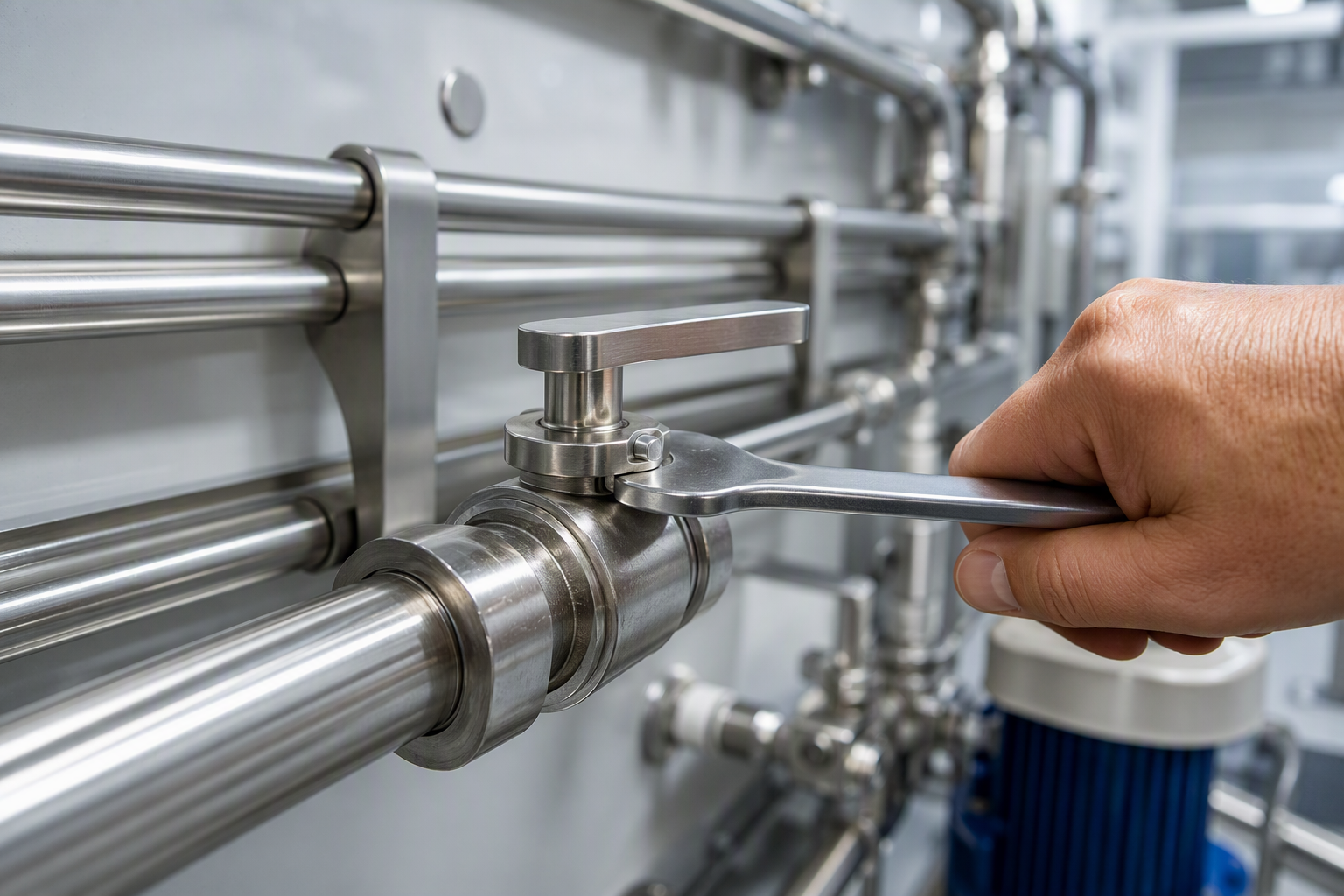
When replacement is necessary, the process should be handled by experienced marine fabrication professionals. It begins with accurate diagnosis, often requiring pressure testing or specialized imaging to locate hidden issues. Material selection is critical; replacements must meet or exceed the original specifications and be compatible with the existing system and marine environment. Installation involves precision cutting, bending, and welding, followed by rigorous testing. For complex systems, a mobile, On-Vessel Dockside Welding & Fabrication Services in South Florida can bring specialized tools and expertise directly to your marina or dock, minimizing vessel downtime. This end-to-end approach ensures that new components integrate seamlessly and provide years of reliable service.
Best Practices for Durable and Leak-Free Marine Plumbing
Achieving a durable and leak-free marine plumbing system requires a combination of high-quality materials, expert craftsmanship, and meticulous attention to detail during installation. Cutting corners in any of these areas inevitably leads to future problems and increased maintenance costs. DolFab's philosophy is built on these principles, ensuring that every marine pipefitting and valve replacement project is executed to the highest standards.
Proper planning is the foundation. This includes thorough system design, often utilizing 3D scanning and reverse engineering for complex replacements or upgrades, ensuring that new components fit perfectly within existing constraints. The selection of the right materials for each specific application is non-negotiable, considering factors like fluid type, pressure, temperature, and environmental exposure.
Material Selection: Built to Withstand the Sea
The choice of material directly impacts a marine plumbing system's lifespan and performance. For saltwater applications, corrosion-resistant alloys like marine-grade stainless steel (316L), copper-nickel (CuNi), and high-grade bronze are preferred. Each has specific properties that make it suitable for different parts of the system. For instance, copper-nickel alloys (such as CuNi 90/10 and 70/30) are excellent for seawater piping due to their superior corrosion and biofouling resistance. To learn more about specialized alloys, refer to our article on Copper-Nickel (CuNi) Marine Piping: Specialist Alloy Fabrication. For fuel systems, specific grades of aluminum or stainless steel might be required, alongside composite materials for certain applications. Compatibility with existing systems and the types of fluids they will carry is paramount.
Precision Installation & Testing for Longevity
Installation by certified marine fabricators is key. This includes precise cutting, forming, and welding (MIG/TIG), ensuring strong, leak-proof joints. Proper alignment, secure mounting, and adequate support for piping runs prevent stress points and minimize vibration-induced fatigue. Crucially, post-installation testing – including hydrostatic pressure testing and system-specific operational checks – verifies the integrity of all connections before the vessel returns to service. DolFab's in-house capabilities, from waterjet cutting to certified welding and polishing, mean every stage of the process is controlled, leading to a superior, long-lasting solution.
DolFab's Integrated Approach to Marine Pipefitting Excellence
At DolFab, we understand that marine pipefitting and valve replacement demands a holistic approach. Our 40+ years of experience in Fort Lauderdale’s marine industry, combined with our comprehensive in-house capabilities, allow us to offer an unmatched service. We don’t just replace parts; we provide engineered solutions that enhance the reliability and longevity of your vessel’s critical systems. Whether it’s a planned yacht plumbing upgrade or an emergency repair, our team is equipped to deliver excellence.
Our facility in Fort Lauderdale is a one-stop shop for marine metal fabrication. We integrate design, 3D scanning, precision cutting, expert welding (ABS and USCG certified), and finishing, all under one roof. This complete control over every process ensures consistent quality and efficient project execution, minimizing delays and maximizing value for superyacht owners, captains, and marine project managers. When planning significant upgrades or refits, our expertise in Yacht Refit Metal Fabrication Planning for Project Managers can be invaluable, ensuring seamless integration of new systems.
From Design to Installation: A Seamless Workflow
Our process begins with meticulous design and engineering. Using advanced 3D scanning and reverse engineering, we can precisely replicate existing components or design new systems that integrate flawlessly. This is followed by in-house fabrication, utilizing tools like our waterjet cutter (capable of 7-inch thick material with no heat-affected zone) and CNC press brake, ensuring every component meets exact specifications. Our certified welders then meticulously assemble and install, ensuring USCG compliance where applicable. This seamless workflow guarantees that every marine pipefitting and valve replacement project is not just a repair, but an upgrade in overall vessel integrity.
Certified Craftsmanship You Can Trust
Our commitment to quality is backed by ABS and USCG certification, with WPS/PQR/WPQ records maintained. These credentials are a testament to our expertise and adherence to the highest industry standards. When you choose DolFab for your marine pipefitting and valve replacement needs, you're not just getting a service provider; you're partnering with a team of dedicated craftsmen who provide straight answers and durable solutions designed to withstand the unforgiving marine environment. Our reputation for craftsmanship that survives saltwater is hard-earned and continuously reinforced by every project we undertake.
Frequently Asked Questions About Marine Pipefitting & Valve Replacement
Q1: How often should marine valves and fittings be inspected?
A: Regular visual inspections should be part of your routine maintenance, ideally before and after each major voyage. A comprehensive professional inspection of all marine plumbing systems, including pressure testing, is recommended at least annually or during major haul-outs to catch potential issues early.
Q2: Can existing marine pipes be repaired, or do they always need replacement?
A: Minor leaks or pinholes in certain pipe types might be temporarily patched, but for critical systems like fuel or hydraulic lines, full replacement is almost always the safer and more reliable option. Repairing often prolongs an inevitable failure. Professionals can assess if a repair is viable or if replacement is necessary for long-term integrity.
Q3: What materials are best for marine plumbing in saltwater?
A: For saltwater applications, marine-grade alloys such as 316L stainless steel, copper-nickel (CuNi 90/10 or 70/30), and high-quality bronze are generally recommended due to their excellent corrosion resistance. The specific choice depends on the system type, pressure, and chemical exposure.
Q4: What does "USCG compliant" mean for marine fuel tanks and systems?
A: USCG compliance refers to the U.S. Coast Guard requirements governing marine fuel systems. Compliance means the design, materials, and installation meet stringent safety requirements to prevent leaks, fires, and explosions, which is critical for any fuel tank or piping component.
Conclusion
The integrity of a vessel's marine plumbing systems is fundamental to its safety, performance, and overall longevity. From fuel and freshwater delivery to hydraulic power and exhaust management, every pipe and valve plays a vital role. Neglecting these critical components can lead to expensive repairs, operational failures, and serious safety hazards. By prioritizing expert marine pipefitting and proactive valve replacement, yacht owners, captains, and marine project managers can ensure their vessels remain reliable and fully compliant with industry standards.
At DolFab, our four decades of specialized experience in Fort Lauderdale position us as your premier partner for all marine metal fabrication needs, including complex marine pipefitting and valve replacement. Our comprehensive in-house capabilities, adherence to stringent certifications, and unwavering commitment to craftsmanship guarantee solutions that are not only durable and leak-free but also engineered for the unique demands of the marine environment. Don't compromise on the integrity of your vessel's lifeline.
Ready to enhance your vessel's reliability with expert marine pipefitting and valve replacement? Contact DolFab today to discuss your project or request a quote, and experience the difference that genuine craftsmanship makes.
Tell us what you need built.
Send the material, size envelope and the date it has to be aboard. You will be talking to the shop that cuts, welds, finishes and installs the part.