Blog
Powder Coating vs. Anodizing for Marine Aluminum Components
Choosing between powder coating and anodizing for marine aluminum components? Discover the pros, cons, and ideal applications for each finish to protect your vessel in saltwater environments.
Protecting aluminum components on marine vessels is not merely a matter of aesthetics; it's a critical investment in longevity, safety, and performance. The harsh saltwater environment, constant UV exposure, and abrasive conditions demand robust surface treatments that can withstand the elements. When it comes to aluminum, two primary finishing methods stand out for their widespread use in the marine industry: powder coating and anodizing. Each offers distinct advantages and disadvantages, making the choice between them dependent on the specific application, desired durability, and aesthetic goals. Understanding the nuances of powder coating vs. anodizing for marine aluminum is essential for yacht owners, captains, project managers, and fabricators who seek to maximize the lifespan and appearance of their vessel's metalwork.
This comprehensive guide will delve into the intricacies of both marine metal finishing options, examining their processes, benefits, drawbacks, and ideal use cases. From structural components to decorative hardware, the right finish can mean the difference between lasting protection and premature degradation. By comparing their performance in demanding marine environments, we aim to provide clarity, enabling you to make an informed decision that aligns with the highest standards of craftsmanship and durability. Whether you’re planning a new build, a refit, or simply seeking to maintain existing components, this article will equip you with the knowledge to choose the optimal aluminum boat coating solution.
Choosing the Right Finish: An Overview of Marine Metal Coatings
Aluminum is a favored material in marine fabrication due to its excellent strength-to-weight ratio and natural corrosion resistance, primarily through the formation of a passive oxide layer. However, this natural passivation alone is often insufficient for the relentless onslaught of saltwater, humidity, and abrasion encountered at sea. Without additional protective measures, marine aluminum components can suffer from pitting, crevice corrosion, and aesthetic degradation, compromising both structural integrity and visual appeal.
Surface finishes are therefore indispensable for marine aluminum. They serve multiple purposes: enhancing corrosion resistance, increasing hardness and abrasion resistance, improving aesthetic appeal, and providing electrical insulation where needed. The selection of an appropriate coating is a strategic decision influenced by several key factors. The specific marine environment (e.g., open ocean vs. brackish water), the component's function (structural, decorative, high-wear), the desired lifespan, and budget all play significant roles. Ultimately, the goal is to apply a finish that not only protects the underlying aluminum but also contributes positively to the overall performance and value of the vessel. We will now explore the two leading contenders in this arena: powder coating and anodizing.
Powder Coating Marine Aluminum: Pros, Cons, and Applications
Powder coating is a popular dry finishing process used to apply a protective and decorative finish to a wide range of metal parts. For marine aluminum components, it offers a vibrant aesthetic and a layer of defense against environmental factors.
How Powder Coating Works
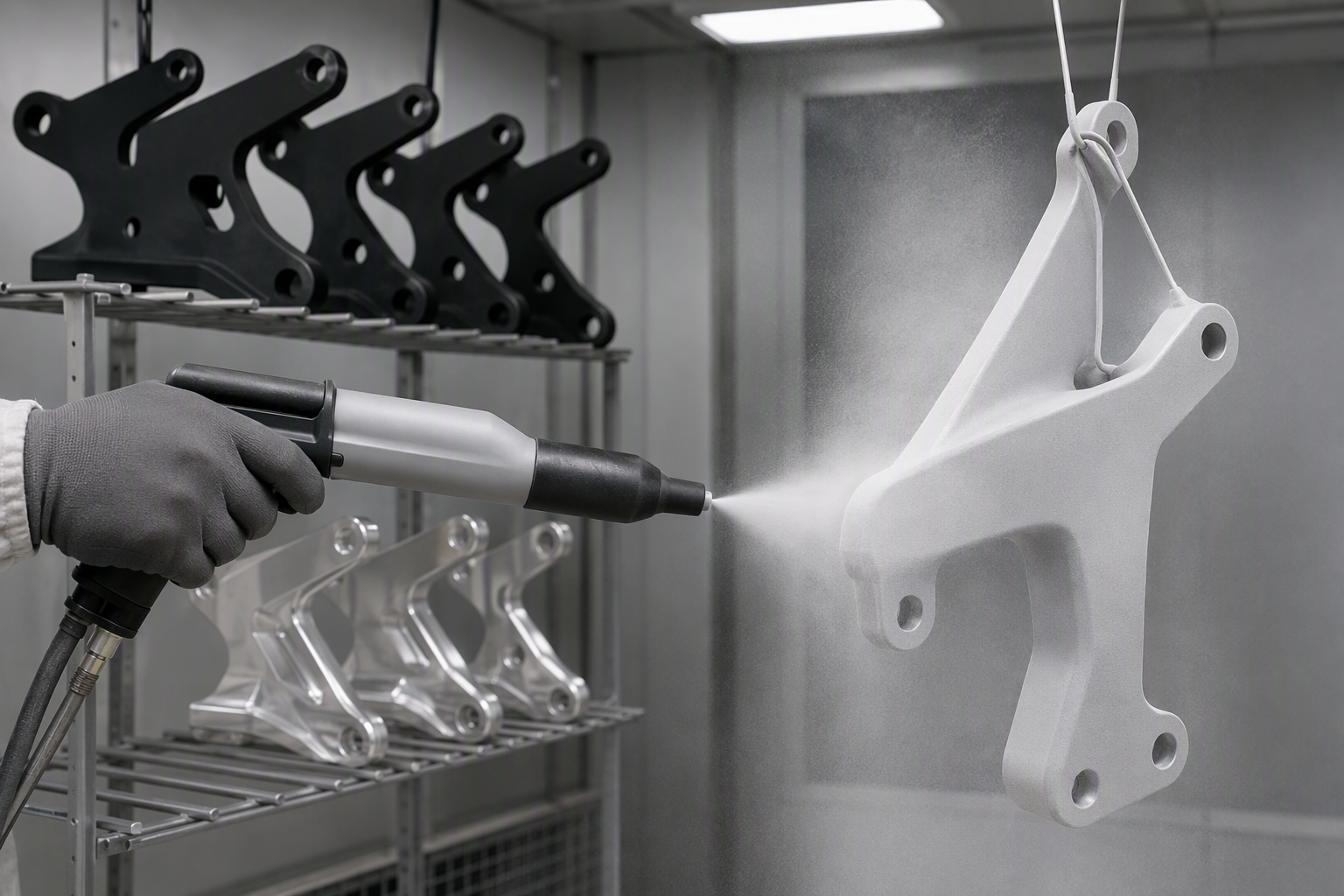
The powder coating process involves applying a finely ground, electrostatically charged powder – typically made of polymer resins, pigments, curing agents, and other additives – to a grounded metal substrate. The electrostatic charge causes the powder to adhere to the aluminum surface. The coated part is then placed in a curing oven, where the powder melts, flows out, and chemically reacts to form a smooth, durable, and continuous film. This method creates a thicker and often more flexible coating than traditional liquid paint, leading to enhanced impact resistance.
Advantages in Marine Environments
One of the most immediate benefits of powder coating is the vast array of colors and finishes available. This allows for extensive customization, matching existing color schemes or creating unique visual statements. Beyond aesthetics, powder coating provides excellent chip, scratch, and abrasion resistance, which is crucial for parts subject to physical wear. Its uniform coverage ensures that all exposed surfaces, even complex geometries, receive a consistent protective layer. When properly applied and cured, powder coatings can offer good resistance to general corrosion and some chemicals, making them suitable for many marine applications where aesthetics and moderate protection are key.
Limitations and Considerations
Despite its benefits, powder coating has specific limitations in demanding marine environments. Prolonged exposure to intense UV radiation can cause certain powder coating formulations to fade or chalk over time, diminishing their visual appeal. While impact-resistant, if the coating is compromised by a deep scratch or chip, saltwater can penetrate to the aluminum substrate, leading to localized corrosion beneath the coating (filiform corrosion) which can spread. Repairing powder coating is also challenging; touch-ups rarely blend seamlessly, often necessitating a complete re-coating of the part for an unblemished finish. Furthermore, the application requires specialized equipment and controlled conditions, making on-vessel repairs or small batch applications less practical. For large-scale projects, DolFab offers comprehensive Marine Metal Fabrication in Fort Lauderdale: Your Expert Partner for 40+ Years, integrating finishing services to ensure quality and consistency.
Anodizing Marine Aluminum: Unmatched Durability and Corrosion Resistance
Anodizing is an electrochemical process that converts the surface of aluminum into a durable, corrosion-resistant, anodic oxide finish. Unlike powder coating, which adds a layer on top of the metal, anodizing integrates the finish into the aluminum itself.
The Anodizing Process Explained
Aluminum parts are immersed in an electrolyte bath (typically an acid solution) and an electrical current is passed through the bath. The aluminum acts as the anode (positive electrode), and oxygen ions released from the electrolyte combine with aluminum atoms to form an aluminum oxide layer. This layer grows from the surface inward and outward, creating a harder, thicker, and more porous oxide than the naturally occurring passive layer. For most marine applications, Type II (sulfuric acid anodizing) or Type III (hardcoat anodizing) are used, with hardcoat offering superior wear resistance. The porous nature of the freshly formed oxide layer can then be sealed to improve corrosion resistance or dyed to add color.
Key Benefits for Marine Applications
Anodizing creates an extremely hard and abrasion-resistant surface, making it ideal for high-wear areas on a vessel. The integrated nature of the oxide layer means it will not chip, peel, or flake off, providing exceptional longevity. Its primary advantage in marine environments is superior corrosion resistance. The dense, sealed anodic layer acts as an excellent barrier against saltwater, acids, and other corrosive agents. Anodized finishes also exhibit excellent UV stability, meaning they resist fading and chalking even under intense sun exposure. Furthermore, the process maintains the metallic luster of aluminum, offering a sophisticated, high-end appearance often preferred for superyachts and high-performance vessels, including for custom elements like those designed through 3D Scanning & Reverse Engineering for Custom Marine Part Fabrication.
Potential Downsides
While highly protective, anodizing does have some limitations. The color palette is more restricted compared to powder coating, typically limited to metallic tones, clear, black, bronze, and some blues or reds achieved through dying. The process can also be more costly than powder coating, especially for hardcoat anodizing, due to the specialized equipment and precise chemical control required. Repairing anodized parts is also complex; minor damage typically cannot be spot-repaired without visible demarcation, often requiring the component to be stripped and re-anodized entirely. Additionally, certain aluminum alloys, particularly those with high copper or silicon content, may not anodize as effectively or yield a consistent finish.
Powder Coating vs. Anodizing: A Head-to-Head Marine Performance Review
When deciding between powder coating and anodizing for marine aluminum components, a direct comparison of their performance characteristics is crucial. Each finish excels in different areas, making one more suitable than the other depending on the component's role and the demands placed upon it.
| Feature | Powder Coating | Anodizing (Type II & III) |
|---|---|---|
| Protection Type | Applied surface layer | Integrated oxide layer (part of the metal) |
| Corrosion Resistance | Good; susceptible to filiform corrosion if breached | Excellent; superior barrier against saltwater ingress |
| Abrasion Resistance | Good; generally less hard than hardcoat anodizing | Excellent (especially hardcoat); highly scratch-resistant |
| UV Stability | Variable; some colors may fade or chalk over time | Excellent; highly resistant to fading and chalking |
| Aesthetics/Colors | Unlimited color palette, various textures | Limited colors (clear, black, bronze, some dyes) |
| Hardness | Can be very tough, but softer than anodic layer | Extremely hard, especially Type III (hardcoat) |
| Chipping/Peeling | Possible if impacted severely | Not possible; integrated with the metal |
| Repairability | Difficult to seamlessly repair spots | Difficult to seamlessly repair spots; requires stripping |
| Application Complexity | High-temperature cure, electrostatic spray | Electrochemical process, precise chemical control |
| Cost | Generally moderate | Moderate to higher (especially hardcoat) |
| Electrical Insulation | Excellent (polymer layer) | Good (oxide layer) |
This table highlights that for critical structural components, marine electronics enclosures, or high-wear deck hardware like those found in Superyacht Stainless Steel Railing Fabrication & Deck Hardware, anodizing often provides superior long-term performance due to its integral hardness and unmatched corrosion resistance. Conversely, for parts where aesthetic customization is paramount and structural integrity is less dependent on the coating – such as decorative panels, interior components, or specific non-load-bearing trim – powder coating offers a wider design scope and robust protection against everyday bumps and scrapes.
Making the Informed Choice for Your Marine Project
Choosing the optimal marine aluminum coating requires a careful evaluation of several project-specific factors. There's no one-size-fits-all answer, as the best finish is always the one that precisely meets the demands of its environment and function.
Key Decision Factors
- Environmental Exposure: How harsh will the conditions be? For constant saltwater spray, submersion, or extreme UV exposure, anodizing generally offers superior, integrated protection. For components with less direct exposure or those that can be easily maintained, powder coating can be a viable option.
- Component Function and Wear: Is the part structural, decorative, or subject to frequent handling and abrasion? High-wear items like cleats, railings, or mast components benefit immensely from the extreme hardness of hardcoat anodizing. Aesthetic components or those in less trafficked areas might be better suited for the diverse colors of powder coating.
- Aesthetic Goals: Do you need a specific color match for branding or design? Powder coating provides unparalleled color and texture variety. If a metallic look or a subtle matte finish is desired, anodizing maintains aluminum's natural appearance while enhancing its protective qualities.
- Maintenance and Repair: Consider the practicality of future maintenance. While both are difficult to spot-repair, anodizing's inherent durability often means fewer overall repair needs. Regular cleaning and attention to the The Yacht Owner's Guide to Maintaining Marine Metalwork Longevity will extend the life of either finish.
- Budget and Lifespan Expectations: While powder coating might have a lower initial cost, the long-term durability and lower maintenance of anodizing can offer greater value over the vessel's lifespan, especially for critical components.
Ultimately, the decision should be a collaborative one, involving expert fabricators and finishers who understand the nuances of marine applications. At DolFab, with over 40 years of experience, we provide straight answers and guidance to help you select the most effective and durable finish for your marine aluminum components.
Frequently Asked Questions About Marine Aluminum Finishing
Q: Can you powder coat over an anodized aluminum part?
A: While technically possible, it's generally not recommended. Anodizing creates a hard, porous oxide layer. Applying powder coating over it might not adhere optimally or provide the intended durability, and the cost would be redundant. Typically, only one primary finish is applied.
Q: Is anodizing permanent?
A: Anodizing creates an integral layer that is part of the aluminum itself, making it highly durable and long-lasting. While it won't chip or peel like paint, it can be chemically or mechanically removed if necessary, but it is considered a permanent surface modification for practical purposes.
Q: Which finish is better for aluminum fuel tanks?
A: For aluminum marine fuel tanks (which must meet strict USCG standards), the focus is on structural integrity and internal/external corrosion resistance. While some external aesthetic finishes might be applied, the primary protection comes from the alloy itself and proper fabrication. Neither powder coating nor anodizing is typically applied internally. Externally, the choice depends on exposure. For critical items like Custom Aluminum Marine Fuel & Water Tanks: USCG Standards, the choice of alloy and welding quality are paramount.
Q: Does anodizing offer electrical insulation?
A: Yes, the anodic oxide layer is electrically insulative, which can be a benefit in marine applications to prevent galvanic corrosion between dissimilar metals. However, the degree of insulation can vary depending on the thickness and type of anodizing.
Conclusion
The choice between powder coating and anodizing for marine aluminum components is a critical decision that impacts the durability, aesthetics, and long-term value of your vessel. Both finishes offer distinct advantages, but understanding their specific performance characteristics in the challenging marine environment is paramount. While powder coating excels in providing a vast spectrum of colors and a tough, impact-resistant surface for less critical or decorative elements, anodizing delivers an unparalleled, integrated layer of hardness and superior corrosion resistance, making it the preferred choice for structural, high-wear, and critical components.
Navigating these options requires expertise and a deep understanding of marine material science. At DolFab, we leverage over 40 years of experience in marine metal fabrication in Fort Lauderdale, offering comprehensive solutions from design to finishing. Our team of skilled craftsmen provides straight answers and meticulous attention to detail, ensuring that your marine aluminum components receive the optimal finish for enduring performance. Don't compromise on the longevity and appearance of your vessel's metalwork.
For expert advice on marine metal finishing or to request a quote for your project, Contact DolFab today. Let us help you protect your investment with the right solution.
Tell us what you need built.
Send the material, size envelope and the date it has to be aboard. You will be talking to the shop that cuts, welds, finishes and installs the part.