Blog
The Yacht Owner's Guide to Maintaining Marine Metalwork Longevity
Unlock essential marine metal maintenance tips for your yacht. Learn how to clean, protect, and identify when professional care is needed to preserve your vessel's hardware and value.
For yacht owners, the allure of the open water is undeniable, but it comes with a critical responsibility: safeguarding your investment against the relentless marine environment. Saltwater, sun, and constant exposure to the elements can take a severe toll on your vessel's metal components, leading to corrosion, pitting, and ultimately, a decline in both aesthetics and structural integrity. Implementing effective marine metal maintenance tips is not merely about preserving shine; it's about extending the lifespan of your vessel, maintaining its resale value, and ensuring safety for everyone on board.
This comprehensive yacht metal care guide provides actionable strategies to keep your marine metalwork in pristine condition. We'll explore the critical reasons why diligent maintenance matters, offer practical advice tailored for different metal types commonly found on yachts, and crucially, help you recognize when it's time to call in the experts for professional restoration or repair. With proper care and timely intervention, your yacht's metal features, from gleaming railings to essential structural components, will continue to perform and impress for years to come.
Preserving Your Investment: Why Marine Metalwork Maintenance Matters
Your yacht represents a significant investment, and its metal components are integral to its beauty, function, and safety. The marine environment is inherently corrosive, presenting unique challenges that require a proactive approach to maintenance. Ignoring early signs of wear can lead to costly repairs and even compromised safety further down the line.
The primary culprits are saltwater, UV radiation, and atmospheric pollutants, all of which accelerate the degradation of metals. Salt crystals act as miniature catalysts for corrosion, while prolonged UV exposure can break down protective coatings and finishes. Furthermore, phenomena like galvanic corrosion, where dissimilar metals in an electrolyte (like saltwater) create an electrical current, can rapidly erode one of the metals if not properly managed. Proactive care significantly mitigates these risks.
Beyond aesthetics, the structural integrity of your vessel often relies on its metalwork. Railings, cleats, davits, and even engine room components must withstand considerable forces and provide critical functionality. Regular inspections and proper maintenance ensure these parts remain robust and reliable, preventing potential failures that could jeopardize safety at sea. By diligently protecting marine hardware, you safeguard not just its appearance, but the very essence of your yacht's operational readiness and long-term value.
Practical Tips for Cleaning and Protecting Different Metal Types
Different metals commonly found on yachts react uniquely to the marine environment and require tailored care. Understanding these distinctions is key to effective maintenance.
Stainless Steel: The Brightwork Jewel
Stainless steel, ubiquitous on yachts for railings, deck hardware, and fixtures, is prized for its corrosion resistance and gleaming finish. However, it's not entirely maintenance-free. The "stainless" quality comes from a passive chromium oxide layer that can be compromised by salt, chlorides, and harsh chemicals, leading to "tea staining" or pitting.
- Routine Rinsing: After every outing, thoroughly rinse all stainless steel surfaces with fresh water. This is the most crucial step to remove salt deposits before they can cause damage.
- Mild Cleaning: For routine cleaning, use a soft cloth with mild soap and fresh water. Avoid abrasive cleaners, steel wool, or wire brushes, as these can scratch the surface and embed iron particles, leading to rust.
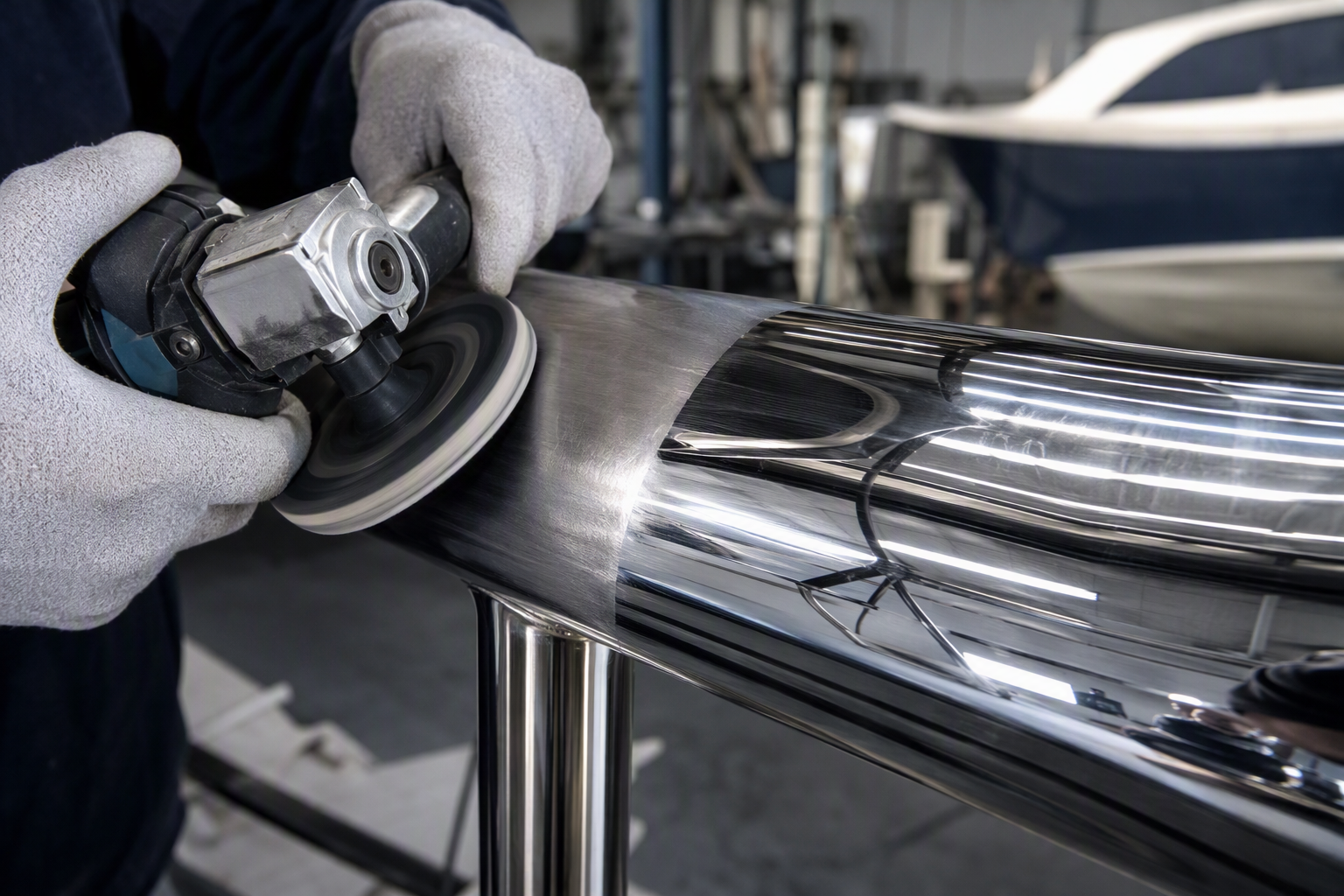
- Polishing and Passivation: To maintain its luster and reinforce the passive layer, regularly polish stainless steel with a specialized marine-grade polish. For a deeper restoration, especially if signs of tea staining appear, professional passivation can chemically restore the protective layer. For expert care, consider professional services for Stainless Brightwork Restoration & Polishing for Yachts & Marine Vessels.
Aluminum: Lightweight Strength, Unique Needs
Aluminum is favored for its lightweight strength, making it ideal for hulls, T-tops, radar arches, and structural components. While corrosion-resistant, it can suffer from oxidation, manifesting as a white, powdery residue, especially in areas where paint or anodizing has been compromised.
- Frequent Washing: Like stainless steel, regular washing with fresh water is vital to remove salt and contaminants.
- Gentle Cleaning Agents: Use non-abrasive, pH-neutral cleaners specifically designed for aluminum. Avoid strong acids or alkalis that can strip anodized coatings or damage the metal.
- Protective Coatings: Many aluminum yacht components are painted or anodized for enhanced protection and aesthetics. Maintain these coatings, and consider reapplying them as needed. For deeper insights into protection, explore the differences between Powder Coating vs. Anodizing for Marine Aluminum Components.
- Address Oxidation Promptly: If you notice white powder or corrosion, gently clean the affected area and consider applying a protective wax or sealant.
Bronze, Brass, & Copper Alloys: Classic Luster
These traditional alloys offer a classic aesthetic but require consistent polishing to maintain their shine and prevent tarnish.
- Regular Polishing: Use specialized metal polishes designed for bronze, brass, or copper. Apply with a soft cloth and buff to a brilliant shine. The frequency depends on exposure and desired appearance.
- Avoid Abrasives: Harsh scrubbing pads or abrasive cleaners can scratch the soft surface of these metals.
- Patina Management: Some owners prefer the natural patina that develops on these metals. If this is your choice, simply clean with mild soap and water to remove dirt, allowing the patina to form evenly.
Daily Habits for Extending Marine Metal Longevity
Beyond specific metal care, incorporating certain daily and routine habits into your yacht maintenance schedule can significantly enhance the longevity and appearance of all your marine metalwork.
- Post-Voyage Rinsing is Paramount: This cannot be stressed enough. As soon as your yacht is docked, hose down all exterior metal surfaces with fresh water to remove salt residue. This simple action prevents the onset of corrosion more effectively than almost any other measure.
- Routine Visual Inspections: Make it a habit to regularly inspect all metal components. Look for early signs of trouble:
- Stainless Steel: Tiny rust spots ("tea staining"), pitting, or discoloration.
- Aluminum: White powdery spots, bubbling under paint, or unusual dullness.
- Bronze/Brass: Excessive tarnish that doesn't buff out easily, or green/blue corrosion.
- Also, check for loose fasteners, bent parts, or signs of stress cracking near welds or attachment points.
- Immediate Wipe-Downs: Spills of acidic liquids (like certain cleaners or battery acid) or even freshwater drips in certain areas can cause localized corrosion. Wipe them down immediately.
- Protective Covers: For highly exposed or decorative metal hardware, consider using covers when the yacht is not in use. This protects against direct sunlight, salt spray, and atmospheric pollutants.
- Mindful Fastener Choices: When replacing screws, bolts, or other fasteners, always use marine-grade materials compatible with the metal they are securing to avoid galvanic corrosion. Using the wrong type of metal fastener can accelerate corrosion in the surrounding metalwork.
These consistent, small actions contribute immensely to protecting marine hardware and preserving the structural integrity and aesthetic appeal of your yacht over the long haul.
Recognizing When Professional Restoration or Repair is Needed
While diligent daily maintenance is crucial, there comes a point when a yacht's metalwork demands expertise beyond DIY care. Recognizing these critical junctures ensures your vessel receives the specialized attention it needs to remain safe, functional, and beautiful.
Signs of Serious Corrosion & Damage
Several indicators signal that it's time to consult with professional metal fabricators and restorers:
- Deep Pitting or Cracks: On stainless steel, deep pitting that has penetrated the surface or any visible cracks can compromise structural integrity, especially on railings or critical hardware.
- Extensive Aluminum Corrosion: Beyond superficial white powder, if aluminum components show significant bubbling beneath paint, large areas of flaking, or structural deformation, professional intervention is necessary. This could indicate a deeper problem.
- Compromised Structural Integrity: Any bending, warping, or cracking in load-bearing metal structures, such as mast steps, davits, or engine mounts, requires immediate professional assessment.
- Leaking Tanks: Marine fuel and water tanks are critical systems. If you suspect a leak or discover significant corrosion, it's a safety and environmental hazard requiring expert inspection and potentially Marine Fuel Tank Replacement & System Upgrades for Yachts.
- Fatigue or Stress Fractures: These subtle cracks often appear near welded joints or points of high stress. They can be hard to spot but signify a component nearing failure.
The DolFab Advantage: Expert Intervention
When these advanced issues arise, or if you're planning a refit or upgrade, partnering with experienced marine metal fabrication specialists is essential. DolFab, with over 40 years of experience in Fort Lauderdale, offers comprehensive solutions for intricate marine metalwork challenges.
Our in-house capabilities span the entire process, from precise 3D Scanning & Reverse Engineering for Custom Marine Part Fabrication to advanced welding and finishing. Whether you need custom components, structural repairs, or meticulous restoration, our team provides straight answers and unparalleled craftsmanship. We utilize state-of-the-art equipment, such as waterjet cutting for intricate designs with no heat-affected zones, and employ ABS-certified marine welders working to USCG-compliant procedures, ensuring quality that endures the harsh saltwater environment.
From specialized alloy fabrication to custom superyacht railings certified for vessels up to 330 ft, DolFab provides solutions that meet stringent industry standards, ABS and USCG certified. We also offer convenient On-Vessel Dockside Welding & Fabrication Services in South Florida for repairs and installations that require on-site attention. When your yacht's metalwork needs more than just maintenance, trust DolFab to deliver solutions that combine durability, precision, and a flawless finish.
Frequently Asked Questions About Marine Metal Maintenance
How often should I clean my yacht's marine metalwork?
For best results, rinse all exterior metal surfaces with fresh water after every use to remove salt. A more thorough cleaning with mild soap and specialized polishes should be done weekly or bi-weekly, depending on usage and environmental exposure.
Can I use automotive metal polish on my yacht?
It's generally not recommended. Automotive polishes are not formulated to withstand the extreme corrosive environment of saltwater. Always opt for marine-grade metal polishes and cleaners specifically designed for the type of metal on your yacht.
What causes "tea staining" on stainless steel?
Tea staining, or surface rust, on stainless steel is usually caused by exposure to chlorides (salt), which break down the metal's passive protective layer. It can also be caused by embedded iron particles from nearby grinding or the use of non-stainless steel tools. Regular rinsing and proper passivation help prevent it.
When is it time to replace a metal part rather than repair it?
If a metal component shows signs of significant structural compromise like deep cracks, severe deformation, or extensive corrosion that has compromised its integrity, replacement is usually the safer and more cost-effective option. For critical components like fuel tanks or load-bearing structures, replacement is often mandatory. Consult with a professional fabricator for assessment.
Conclusion
Maintaining the metalwork on your yacht is an ongoing commitment, but one that richly rewards you with preserved beauty, enhanced safety, and long-term value. By consistently applying these marine metal maintenance tips—from routine rinsing and cleaning to understanding the specific needs of different alloys—you actively combat the corrosive forces of the marine environment. Protecting your marine hardware not only keeps your vessel looking its best but also ensures the structural integrity and operational reliability essential for safe voyages.
However, some challenges transcend routine care. When faced with deep corrosion, structural damage, or the need for custom fabrication, professional expertise becomes invaluable. For over 40 years, DolFab has been the trusted partner for yacht owners, captains, and project managers in Fort Lauderdale and throughout South Florida. Our comprehensive in-house capabilities, certified craftsmanship, and commitment to precision ensure that whether you need a complex repair, a custom-designed component, or meticulous restoration, your metalwork is in expert hands.
Don't let the marine environment diminish your investment. For any advanced marine metal fabrication, repair, or restoration needs, trust the specialists. Contact DolFab today at 866-365-3221 or email [email protected] to discuss your project and ensure your yacht's metalwork endures for decades to come.
Tell us what you need built.
Send the material, size envelope and the date it has to be aboard. You will be talking to the shop that cuts, welds, finishes and installs the part.